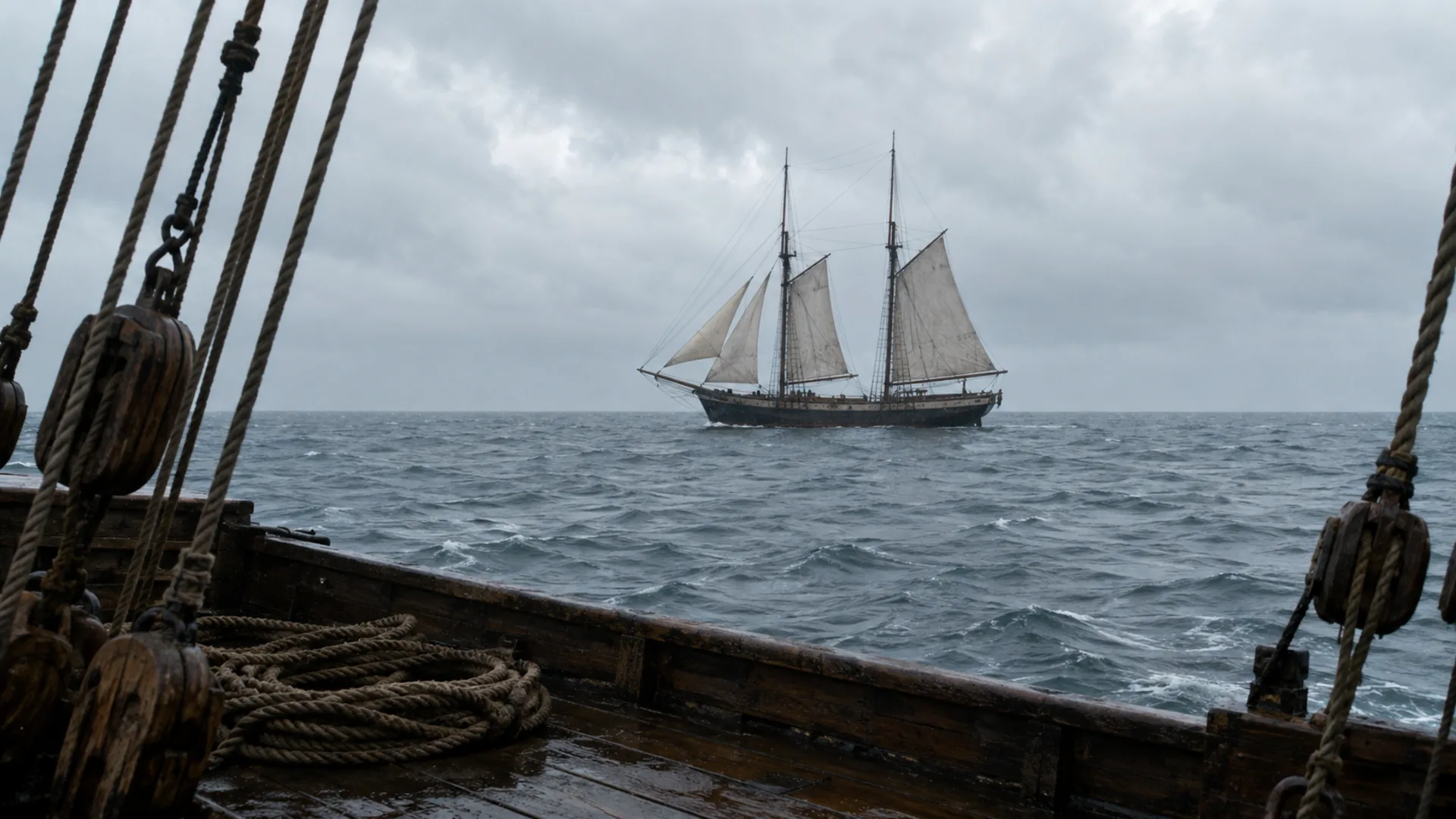
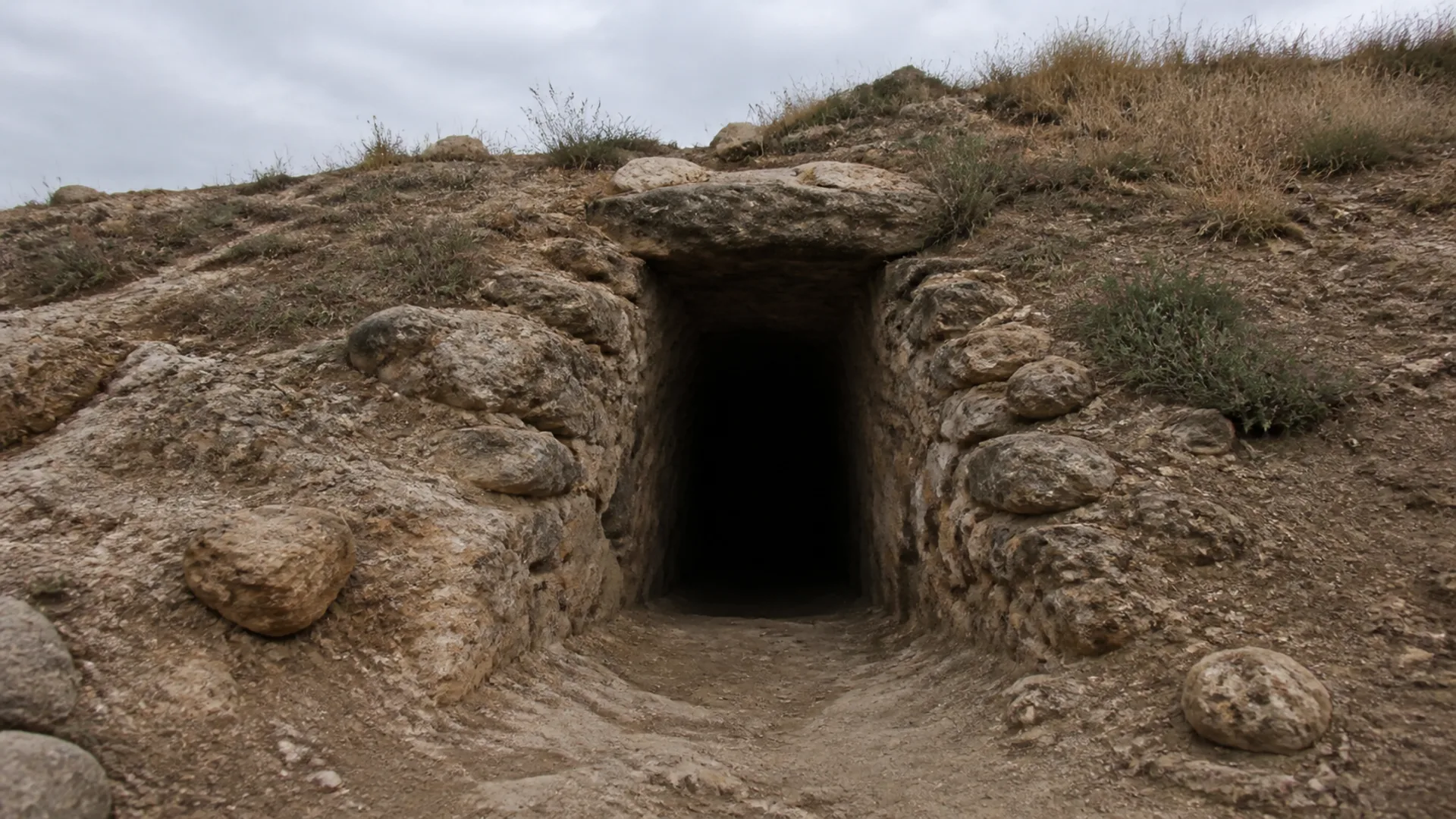
Why would anyone build an underground route and then leave the world to forget what it was for? The stone remains; the explanation does not.
The question begins at the entrance
Imagine finding a stone opening in the middle of an ancient landscape. There is no sign explaining its purpose, no road leading directly to it and no object that solves the mystery at once. What remains is a tunnel that was excavated, lined and planned by people who invested time and strength to build it.
That is where the most important question appears: why would anyone construct this? The easy answer would be to choose the most fascinating theory and call it a discovery. Archaeology has to do the opposite. It starts with the structure, then compares what the evidence supports with what remains only a hypothesis.
Building in the dark required organization
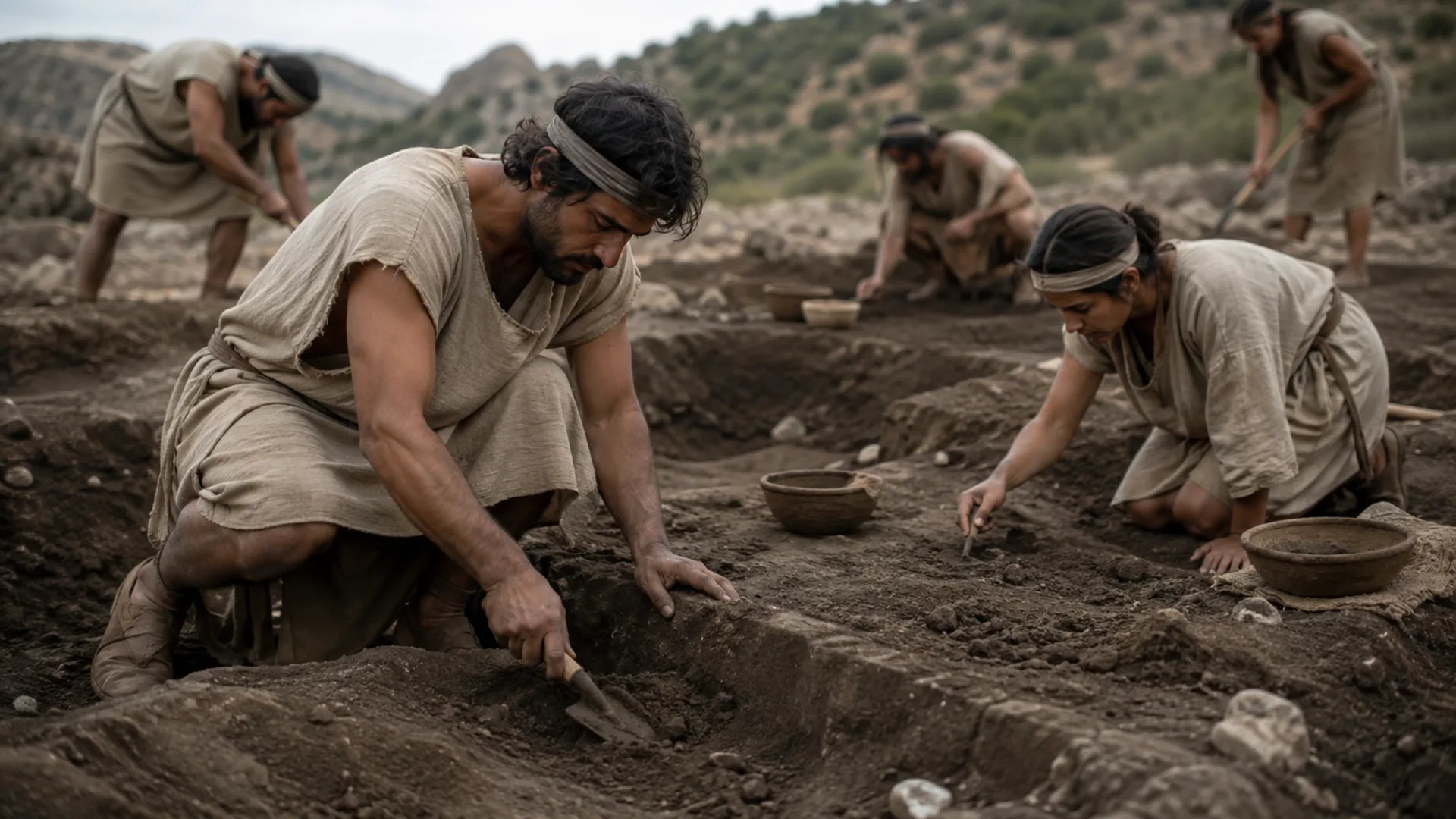
A tunnel does not appear by accident. Even a relatively short passage requires a route, the removal of material, support for the walls and a plan for water, air and light. If the work crosses rock or keeps a steady direction, it also suggests planning before excavation began.
That does not automatically reveal the original purpose. It reveals something else: the builders had practical knowledge, people available for the work and a reason important enough to justify the effort. The structure is, above all, a record of social organization.
The first clue is its shape
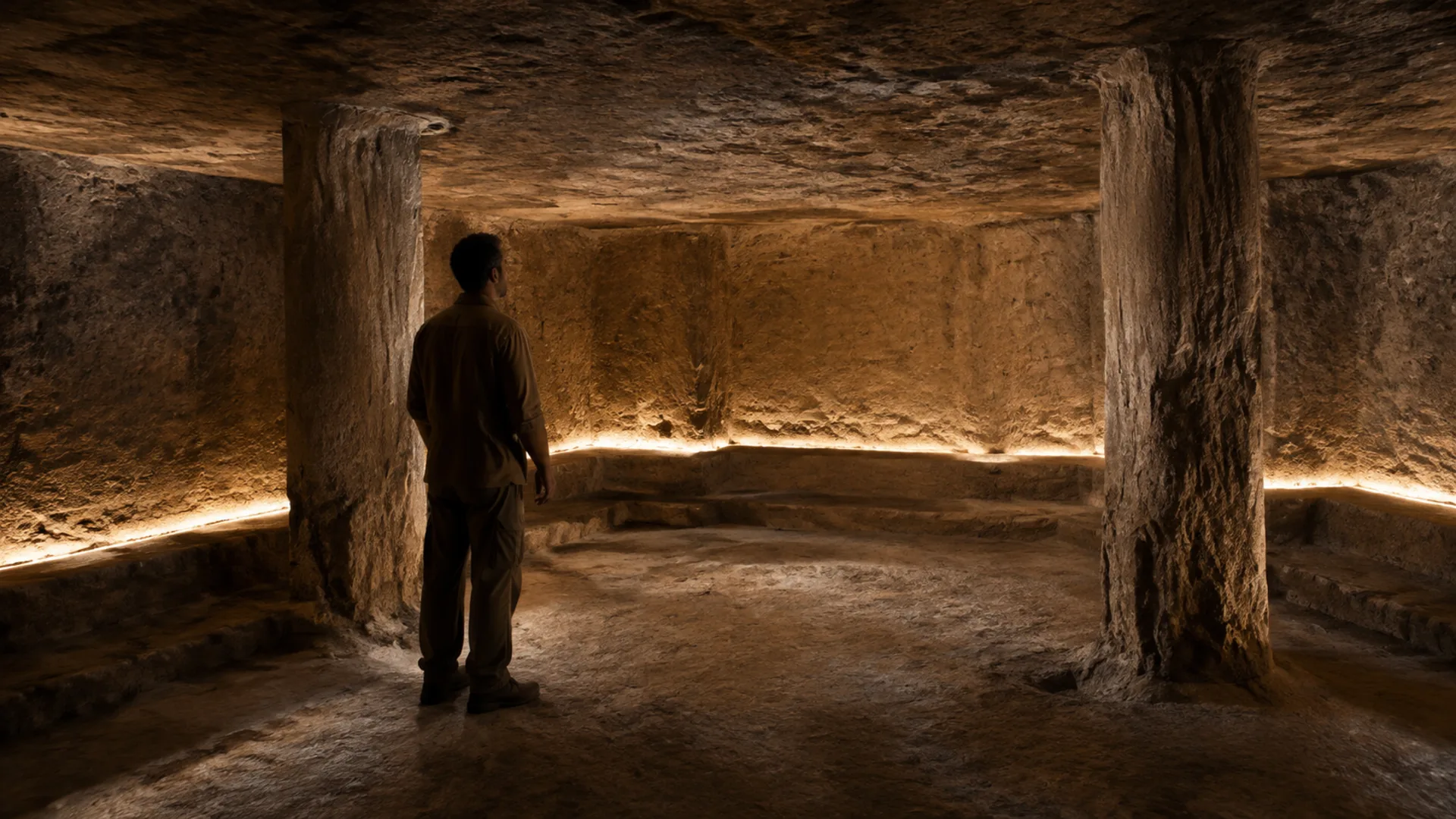
Archaeologists examine width, height, slope, wall finishing and the presence of steps, niches or channels. A narrow passage may have been designed to control movement; a wider gallery may have allowed people to carry objects or move more easily.
These features help create questions, but they are not a ready-made caption. A sloping channel may suggest water use, yet it could also have served as drainage. A side chamber might have been storage, a resting place or simply the result of a change in the excavation work.
Water, defense or movement?
The most practical hypothesis is often water. In different regions, ancient societies built underground channels, drainage tunnels and collection systems. To test that possibility, researchers look for signs of flow, mineral deposits, a consistent slope and connections to springs, reservoirs or inhabited areas.
Another possibility is defense. A tunnel could conceal an escape route, protect access to a settlement or make an approach more difficult. Discreet entrances, sudden turns and controlled points would be relevant clues. Even so, a hard-to-find passage is not proof of a military purpose; it may also have protected water, goods or restricted activities.
There is also everyday movement. People may have used the structure to cross an area, avoid heat, reach another part of a community or work away from the surface. Benches, chambers, wear marks and connections to buildings can strengthen that hypothesis, but it still has to be compared with the others.
The drawing on the wall
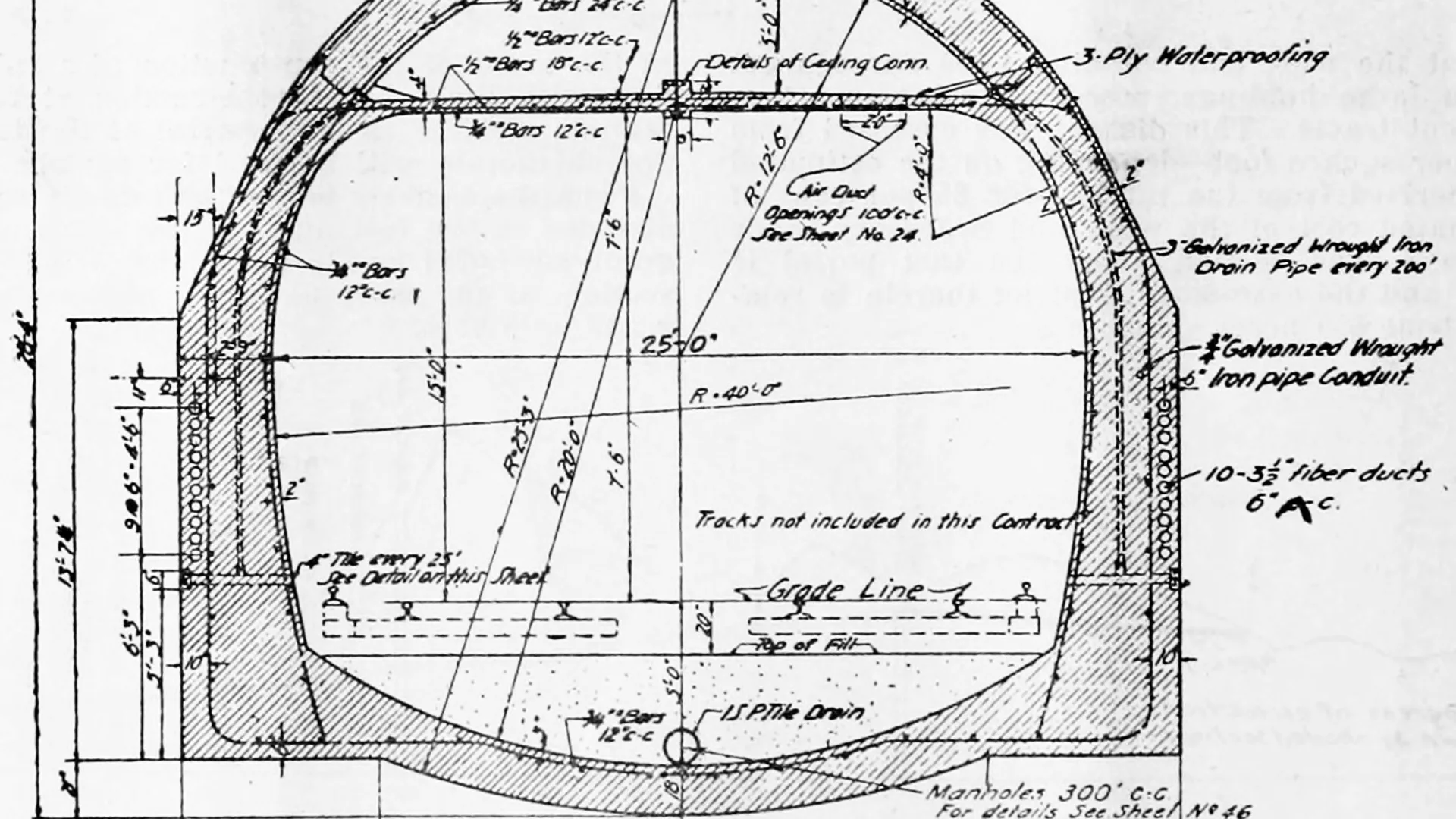
Maps and diagrams help visualize the problem because a tunnel is rarely just a straight line. Branches, shafts, chambers and blockages can show that the structure changed over time. A project may have begun with one purpose and been adapted as the community's needs changed.
A diagram, however, is not proof of intention by itself. Researchers need to know when it was made, whether it represents the entire structure and whether it matches what still exists underground. The difference between the drawing and the surviving tunnel can also be evidence: it may record renovations, abandonment or a later interpretation.
What is confirmed and what is only theory?
The safest fact is that a planned underground work exists. From there, every conclusion has a different level of confidence. If water marks or a hydraulic connection are present, a water-related use becomes plausible. If there are signs of occupation, storage or controlled movement, other functions enter the analysis.
The idea that the tunnel concealed a ritual secret, an emergency escape or a lost purpose with no surviving trace may be interesting, but it remains speculation when no evidence supports it. A mystery does not give us permission to fill every gap with an invented story.
Abandonment leaves marks too
When a structure stops being used, sediment accumulates, entrances collapse and later repairs may hide older sections. A blockage at the end of a tunnel does not prove that someone deliberately sealed it. It could result from erosion, an earthquake, later quarrying or simply the weight of time.
Even so, abandonment offers an important clue. It shows that the need that justified the work disappeared, moved elsewhere or stopped being understood by later inhabitants. The tunnel survived because it was built to last; the society around it may not have survived in the same way.
The most honest answer
It may never be possible to identify one single function with absolute certainty. The tunnel may have served different purposes at different times: carrying water, protecting a route, storing resources and allowing movement. That apparent contradiction is not a failure of the investigation; it may be part of the history of a structure that was repeatedly adapted.
What the structure reveals most clearly is something about its creators. They knew how to turn a surface problem into an underground solution, coordinate labor and control a space that could not be seen from a distance. The question remains open, but it has already produced an answer about that society's abilities and needs.
Frequently asked questions
Can the function of a tunnel be discovered by looking only at its shape?
Rarely. Shape provides clues, but interpretation must combine architecture, sediment, objects, connections with the surrounding landscape and dating evidence.
Was an underground tunnel always meant to hide people?
No. Underground structures can also carry water, drain areas, connect spaces, store resources or protect activities on the surface.
Do the images in this article show a real discovery?
No. They are visual reconstructions created to represent the investigation and the kinds of evidence discussed here. They do not document one specific archaeological site.