André Poisson paid for the right to dismantle the Eiffel Tower. There was no sale, no government order, and no demolition plan. So why did the buyer never report the man who took his money?
Victor Lustig’s deception worked because he did more than invent a story. He gave it a venue, official-looking paperwork, a private audience, and a buyer who believed he could gain an advantage. When Poisson realized the deal was fake, the same secrecy that had helped the con also made going to the police uncomfortable.
Real concerns made the lie sound possible
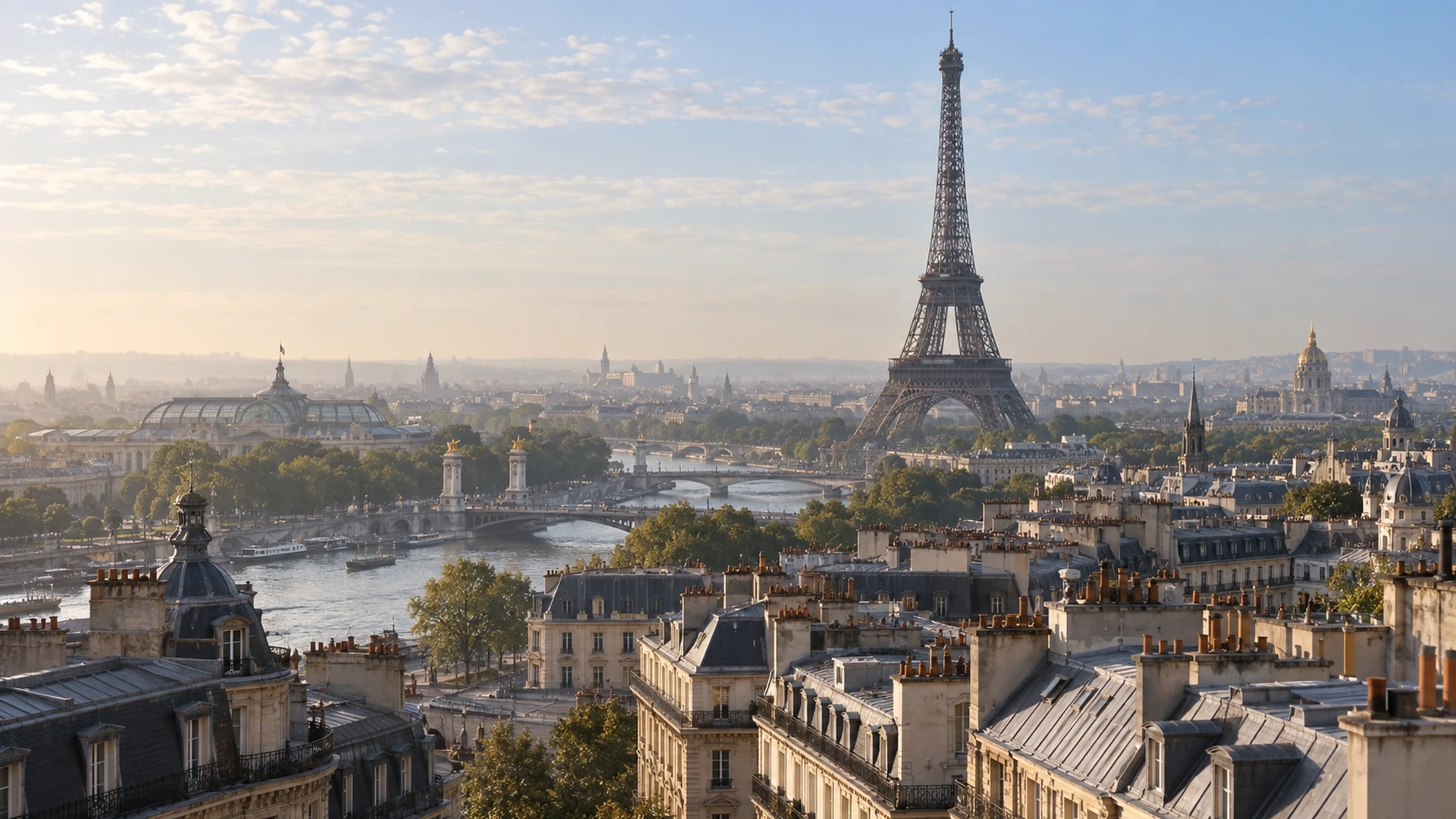
By 1925, newspapers had discussed the Eiffel Tower’s maintenance costs and uncertain future. Built for the 1889 Exposition, the structure had outlasted the period for which it was first expected to remain. That background gave Lustig something useful: a rumor about dismantling could sound like an unpleasant business decision rather than an impossible fantasy.
But Paris had not decided to sell the Tower. Its position also made it valuable for radio transmission, and the monument’s continued use was already secured. The official Eiffel Tower history calls Lustig’s demolition plan false. He borrowed details from public debate; he was not revealing a secret government project.
He staged a government office inside a hotel
Lustig researched the city’s leading scrap dealers, then sent them invitations on stationery made to look official. He claimed to be a senior civil servant and arranged a discreet meeting at the Hôtel de Crillon. The choice of venue did part of the work: guests met in a grand hotel, not in an ordinary office where they could easily check his authority.
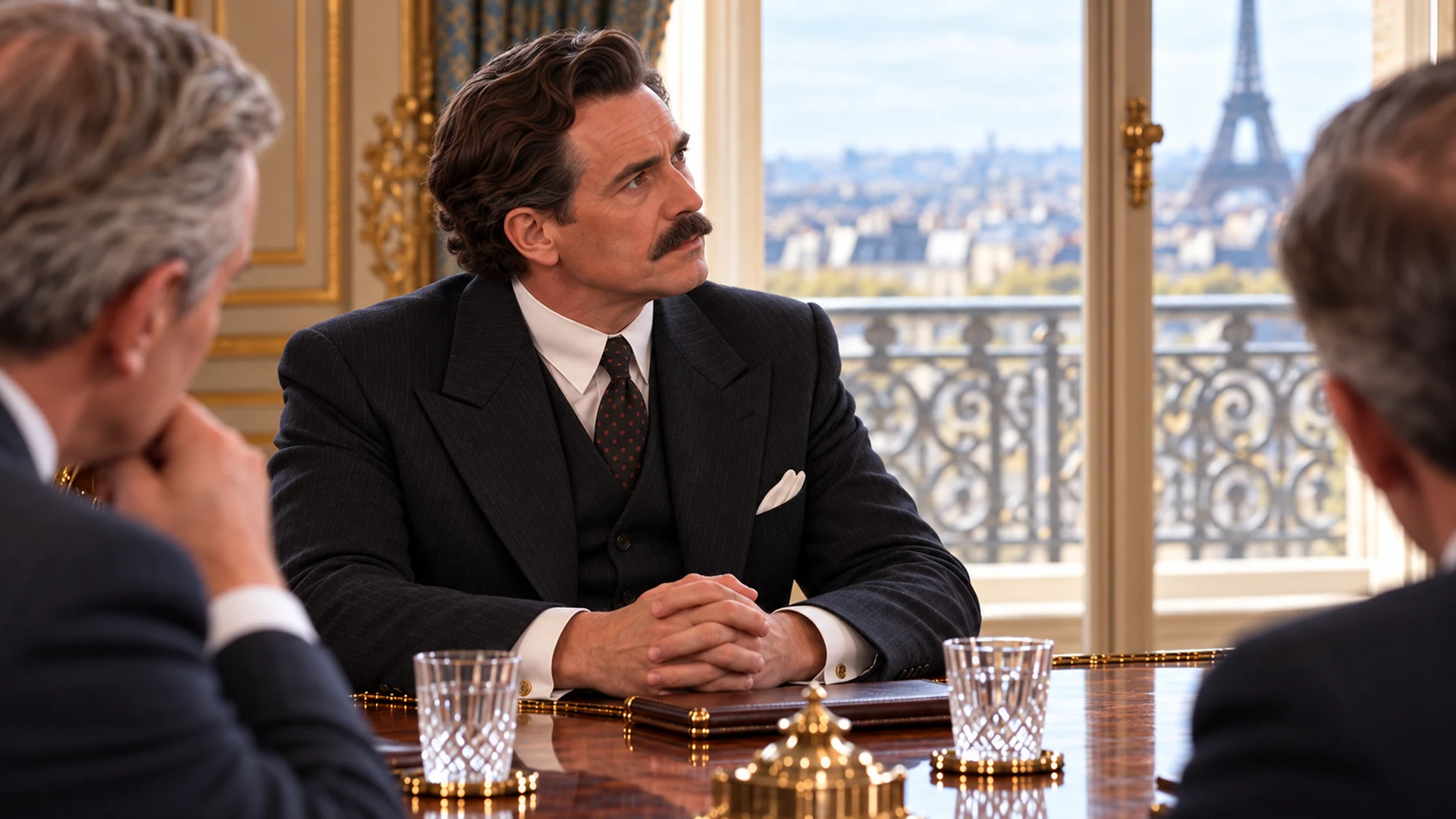
He told the dealers that the Tower’s maintenance and technical problems had forced the government to seek bids for its iron. He insisted that the matter remain confidential. Later accounts say that some of the supposed bidders were Lustig’s accomplices, giving the event the shape of a real auction.
Paris had issued no order to dismantle the Tower and had opened no public sale.
Poisson became the mark
Lustig watched the dealers’ reactions, including during a tour of the Tower. He focused on André Poisson, who was relatively new to Paris’s scrap business and eager to establish himself. In a private conversation, Lustig hinted that a government salary could not support his lifestyle. The Smithsonian account says Poisson understood the hint as a request for a bribe and offered money to secure the contract.
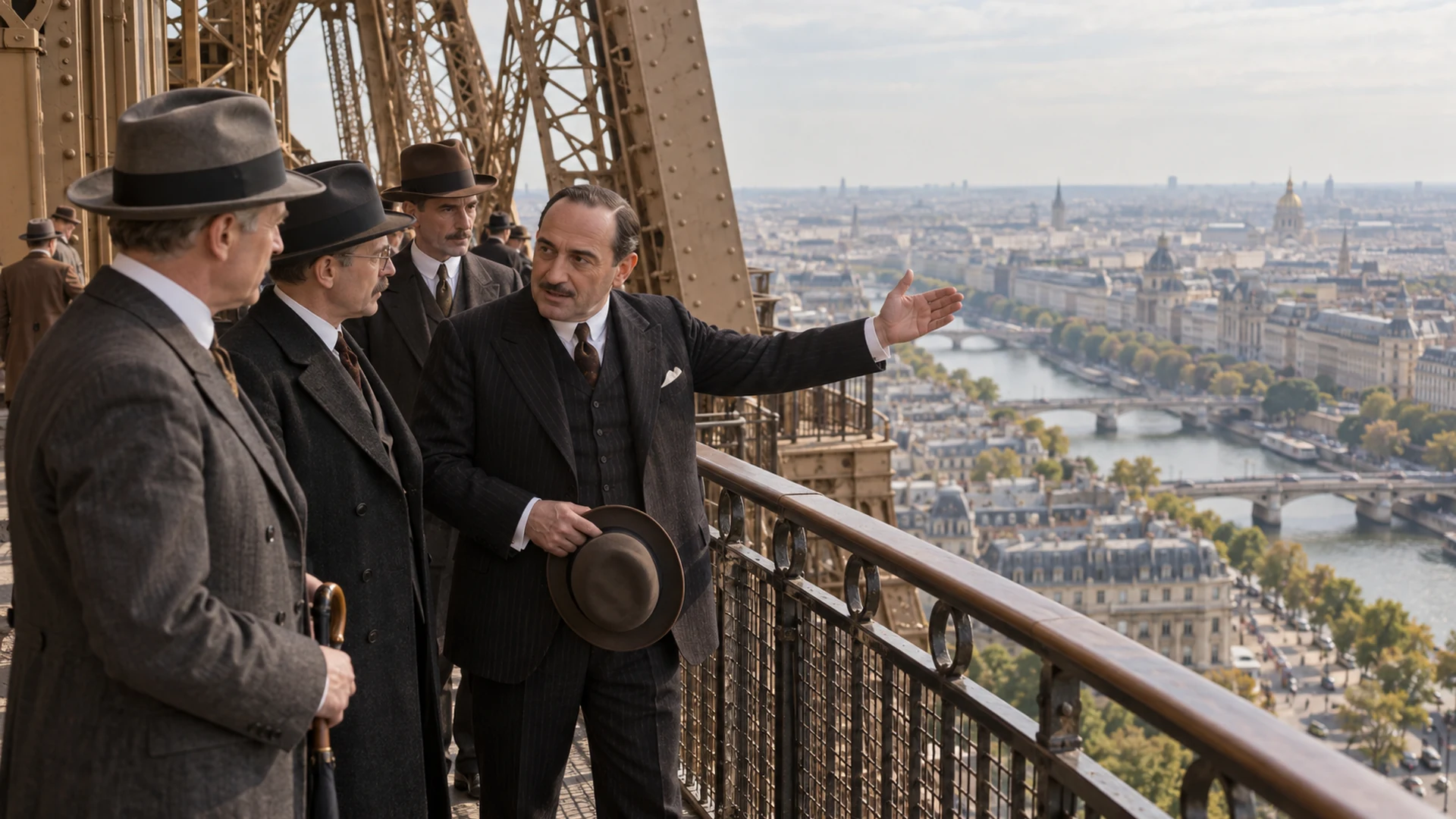
That detail matters because it changes the buyer’s position. Poisson was not only trusting a fake official; he believed he was paying that official under the table. Published versions differ on figures and some particulars, so the exact sum is less important than the trap: the supposed buyer had become involved in the supposed corruption.
Silence protected the buyer, too
Lustig left Paris with the money. Poisson discovered that he had been deceived but did not file a complaint. The Eiffel Tower’s history page and later Smithsonian accounts say embarrassment kept him from reporting the crime. There was another obvious risk: explaining the fraud could expose his own offer of a bribe.
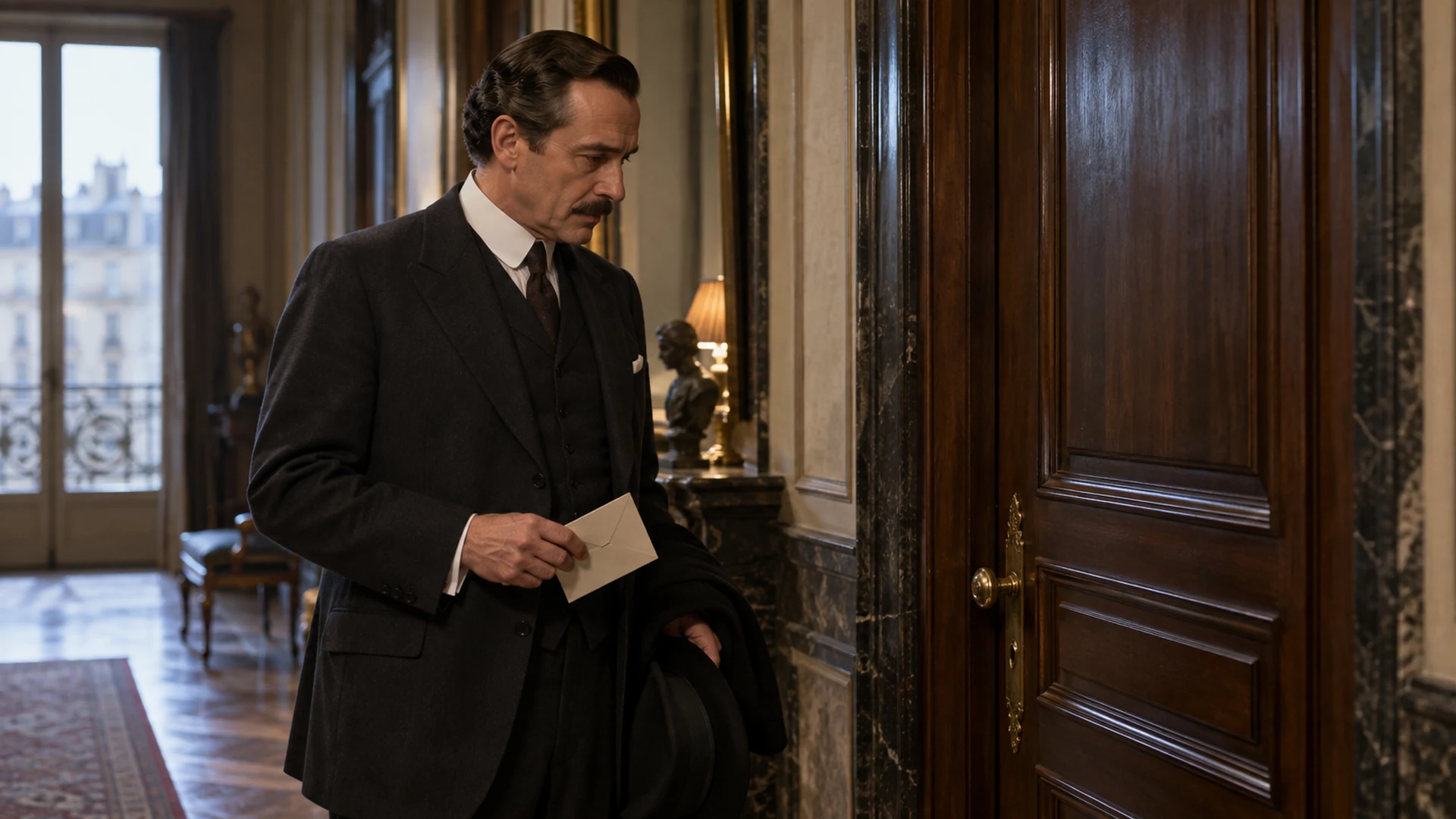
That explanation makes sense, but it remains an explanation from later accounts, not a confession by Poisson. We cannot know exactly what he feared most. We do know that no complaint brought Lustig back to face an immediate investigation in Paris.
With no report to alert him, Lustig returned and tried the scheme again. This time, he became suspicious that the police had been notified and fled France. The familiar claim that he “sold the Eiffel Tower twice” compresses two different outcomes: one completed fraud against Poisson, followed by an abandoned attempt.
What Lustig actually sold
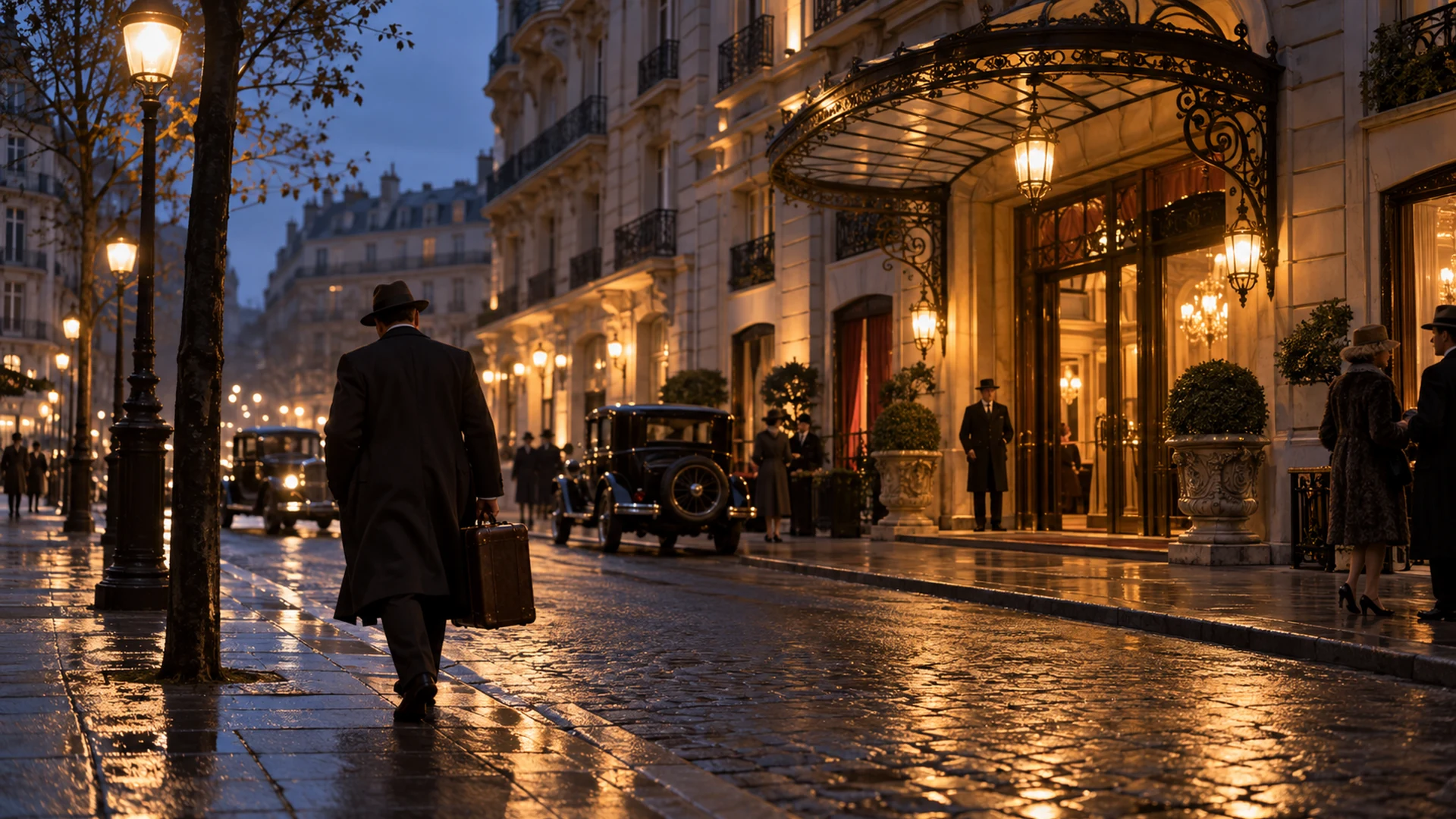
The Tower was never legally transferred, and no dismantling began. Lustig sold the appearance of an official decision: convincing stationery, a prestigious meeting place, a demand for secrecy, a tour, and a competition for valuable scrap. Each detail supported the next until the story felt like a business opportunity.
Poisson’s exact motive for staying quiet is still uncertain. Later histories point to embarrassment; the risk of revealing his own bribe is a reasonable inference, not a documented statement from him. The firm conclusion is simpler: the Tower remained in Paris, while the money and the supposed official disappeared.
Frequently asked questions
Was the Eiffel Tower ever officially put up for sale?
No. Lustig fabricated the proposal; Paris had not authorized a sale or demolition.
Did Lustig really sell it twice?
Only one fraud is described as completed. He later tried to repeat the scheme but abandoned it when he suspected the police were involved.
Why did Poisson stay silent?
Later accounts cite embarrassment. Reporting the crime could also have exposed his own attempted bribe, but his precise private motive is not confirmed.